Identity Attacks and ITDR: from 'logging in' to 'hacking'
Introduction
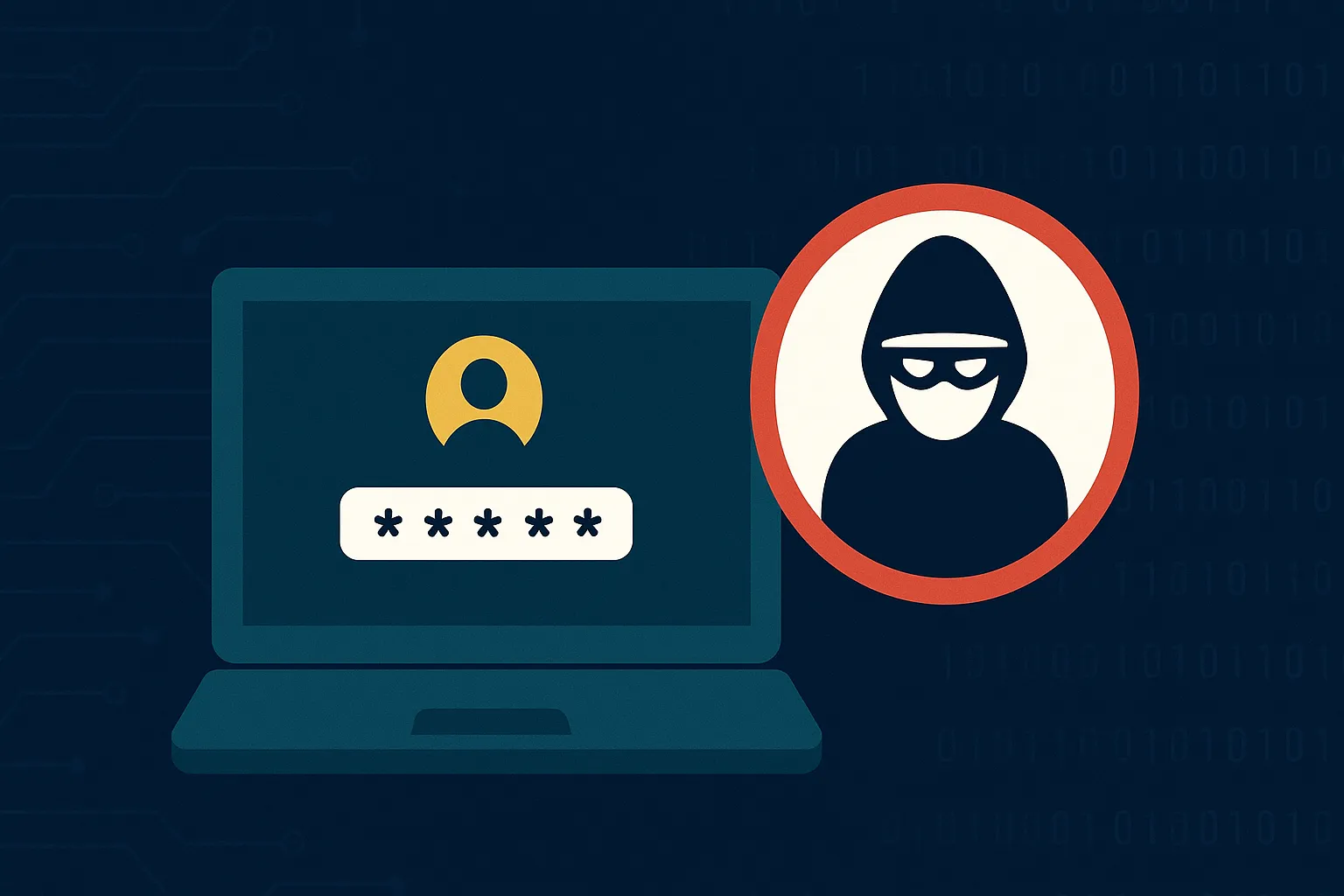
In today’s cybersecurity landscape, identity attacks have become one of the most critical threat vectors. The expression “it’s easier to log in than to hack in” highlights how adversaries increasingly rely on valid credentials instead of investing effort in exploiting complex technical vulnerabilities. This shift has given rise to new protection approaches such as Identity Threat Detection & Response (ITDR).
Identity Attacks
An identity attack occurs when a malicious actor impersonates a legitimate user (human, machine, or service) to gain unauthorized access to applications, data, or systems.
Key characteristics:
- They rely on valid credentials (stolen, leaked, or poorly managed).
- They can evade traditional security controls.
- They target both human users and non-human identities like APIs, services, and machines.
Factors enabling identity attacks
- Weak or reused passwords.
- Lack of multi-factor authentication (MFA).
- Excessive user privileges.
- Credentials exposed in public repositories or past breaches.
ITDR: Identity Threat Detection & Response
ITDR is an emerging discipline that complements IAM (Identity and Access Management) and PAM (Privileged Access Management), by providing active detection and response to compromised identities.
Key elements:
- Continuous monitoring of access and credentials.
- Behavioral analysis through UEBA (User and Entity Behavior Analytics).
- Correlation with identity-related Indicators of Compromise (IoCs).
- Automated responses such as revoking access or enforcing MFA dynamically.
While IAM and PAM focus on managing and preventing access, ITDR acts when prevention fails, detecting anomalies in real time.
Best Practices to Mitigate Identity Attacks
- Enforce MFA across all critical accounts.
- Apply the principle of least privilege and enable just-in-time access.
- Continuously audit and monitor credentials usage.
- Integrate ITDR with IAM and SIEM solutions for unified visibility.
- Educate users on phishing and credential theft prevention.
Applications and Impact
Adopting ITDR strengthens an organization’s resilience against identity threats. Its main benefits include:
- Reducing detection and response times.
- Limiting lateral movement within compromised networks.
- Enhancing existing defenses with a proactive, identity-centric approach.
Conclusion
Identity attacks represent one of today’s biggest cybersecurity risks. The motto “logging in instead of hacking in” illustrates how attackers exploit weak processes and human error rather than purely technical flaws.
In this context, ITDR emerges as a critical defense, providing visibility, detection, and rapid response against the misuse of credentials and privileged access.
Glossary of Acronyms
- IAM: Identity and Access Management
- PAM: Privileged Access Management
- ITDR: Identity Threat Detection & Response
- UEBA: User and Entity Behavior Analytics
- MFA: Multi-Factor Authentication
- IoC: Indicator of Compromise
- SIEM: Security Information and Event Management
References
- NIST SP 800-63: Digital Identity Guidelines
- ENISA Threat Landscape 2024
- Gartner: Emerging Technologies in Identity Security
- Microsoft Security Blog: Identity Threat Detection & Response